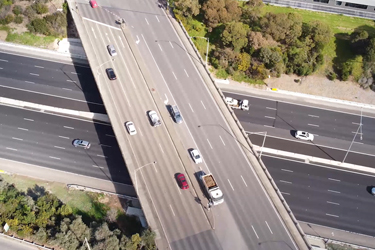
Many high-profile technologies are transforming our daily lives and capturing the world's attention, but it's often the less-heralded innovations that hold the greatest potential for impactful change.
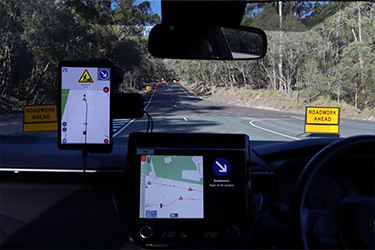
Enabling technology that provides warning messages to drivers in real-time may soon be seen on Queensland roads, offering safety, mobility, and environmental benefits.
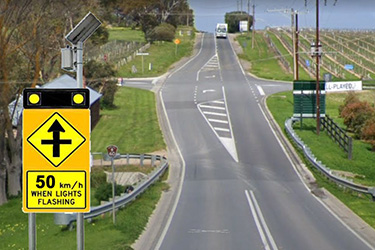
In 2020, within the Greater Adelaide region, 31% of fatal crashes were at intersections, according to the Statistical Summary of Road Crashes and Casualties.

The transport industry has been awash with talk of next-generation technologies that are making their way into major transport projects. These solutions provide an answer to some of the industry’s greatest challenges such as congestion management, safer transport systems, and sustainability goals.
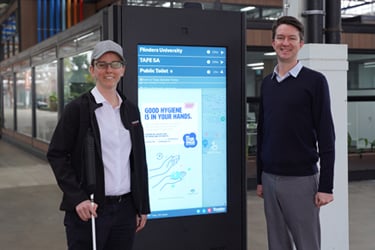
In the world of smart cities, the future is now. That means making the dream of an accessible, all-inclusive public environment a reality – in our cities, on our streets and, eventually, embedded in our day-to-day lives.

A streamlined public transport journey is a key pillar of smart cities and holds out benefits for individual users, wider communities and the environment.

The global pivot to Work From Anywhere (WFA) in response to COVID-19 restrictions has thrust cyber security to the top of the agenda with unforeseen speed. As more employees connect via home and public networks, companies have been forced to share the responsibility of managing security risks.
Over the last few months, around the world there have been huge changes to the way we move and operate due to the COVID-19 pandemic. We’ve seen people really adapt during this time, and in doing so, many industries are taking stock of this time and what we’ve learned from it.

The biggest challenge faced by local government when implementing smart city initiatives is understanding the strategy to drive actions to practical benefits.